


Your Systems Are Talking, But Are They Working Together?
Restaurant operators don’t need more systems.
They need alignment.
See how connected payroll, onboarding, and integrations help multi-location teams reduce manual work, improve accuracy, and gain real visibility across operations.
See What Connected Systems Look Like in Practice
Disconnected systems create extra work, delays, and missed information.
In this video, see how a multi-location restaurant operator simplified their workflows by connecting onboarding, payroll, and core systems into one platform.


The Problem: Disconnected Systems Create Friction
But when those systems don’t communicate, small inefficiencies start to build:
- Employee data has to be entered multiple times
- Updates don’t carry across systems
- Payroll requires manual adjustments
- Reporting is delayed or inconsistent
Over time, this creates more work, more errors, and less visibility across locations.
The Solution: One Connected System
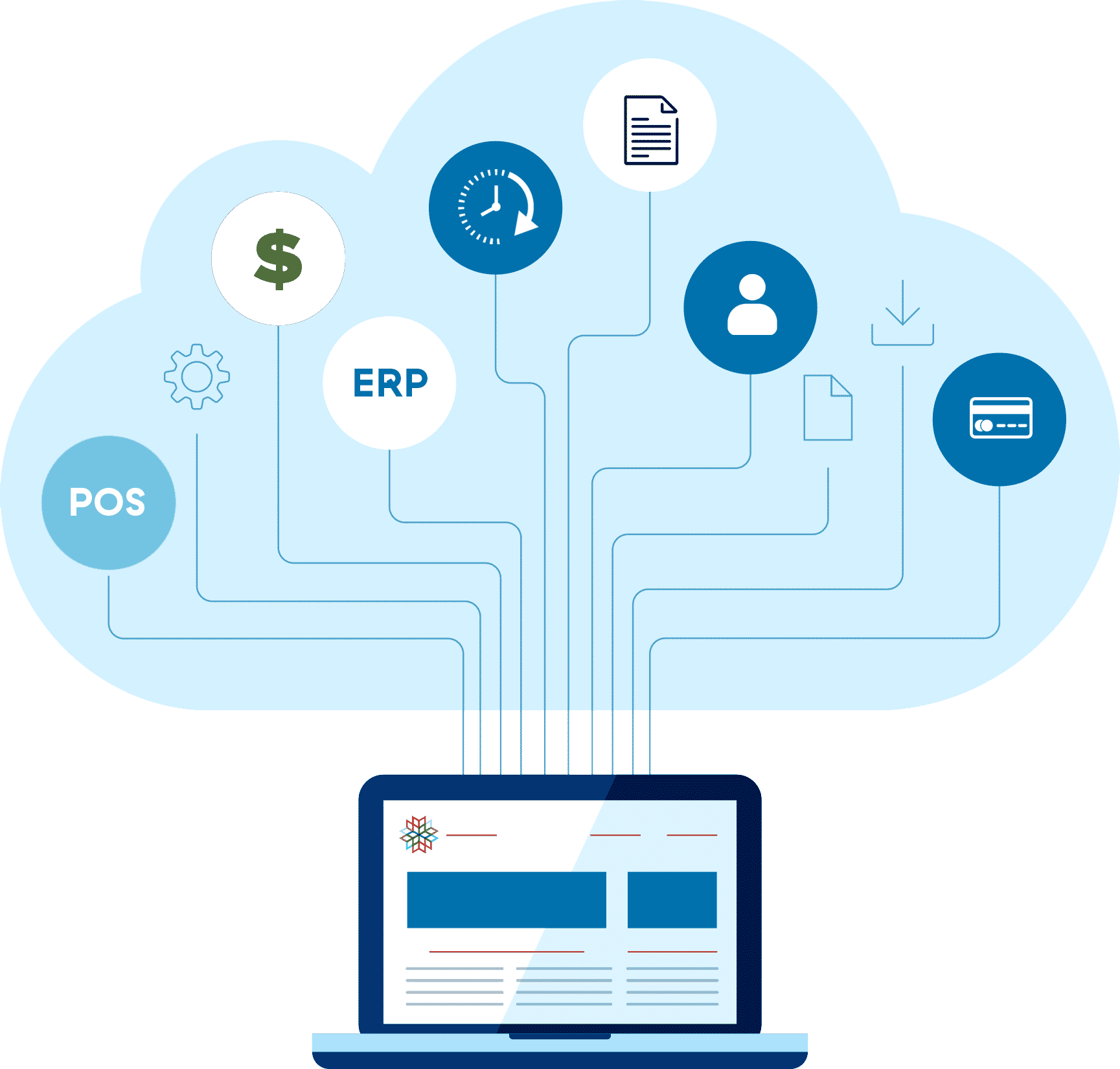
AllianceHCM brings your core workforce systems together so your data flows from one step to the next without manual intervention.
- Hiring and onboarding feed directly into payroll
- Employee data updates in real time across systems
- Integrations connect POS, scheduling, and back office tools
- Reporting reflects what’s actually happening across locations
- Less manual work
- Fewer errors and corrections
- Consistent processes across locations
- Clear visibility into your workforce

Your Systems Should Work Together, Not Against You
When hiring, onboarding, payroll, and reporting are aligned, your operation runs more smoothly, giving your team the space and time to focus on what matters most.
Built for Multi-Location Restaurant Operations
Whether you’re managing a handful of stores or scaling across states, connected systems make it easier to:
- Standardize onboarding across locations
- Maintain payroll accuracy across EINs
- Support compliance without added complexity
- Operate with clarity as your team grows
See How It Could Work for Your Operation
Let’s take a look at your current setup and where things can improve.
Hiring
Onboarding
Hiring
Onboarding
Payroll
Reporting
Answered On This Page
Disconnected systems require manual data entry and create gaps between hiring, onboarding, and payroll. This often leads to payroll errors, delayed reporting, and inconsistent processes across locations. Over time, these inefficiencies increase administrative workload and reduce operational visibility.
Integrations connect systems like POS, onboarding, and payroll so data updates automatically in real time. This reduces duplicate entry and ensures employee information stays accurate across platforms. As a result, payroll processing becomes faster, more consistent, and less error-prone.
Multi-location restaurant operators should connect hiring, onboarding, payroll, scheduling, POS, and reporting systems. When these systems work together, employee data flows seamlessly from hire to paycheck. This helps standardize processes, improve accuracy, and provide clear visibility across all locations.
Restaurant operators can reduce manual work by using connected systems that automate data flow between hiring, onboarding, and payroll. This removes the need for duplicate entry and minimizes errors caused by disconnected processes. As a result, teams spend less time on administrative tasks and more time managing operations.
Connected systems allow restaurant operators to standardize processes and maintain consistency as they grow. With centralized data and automated workflows, teams can manage multiple locations without increasing administrative complexity. This makes it easier to scale while maintaining accuracy, compliance, and operational control.